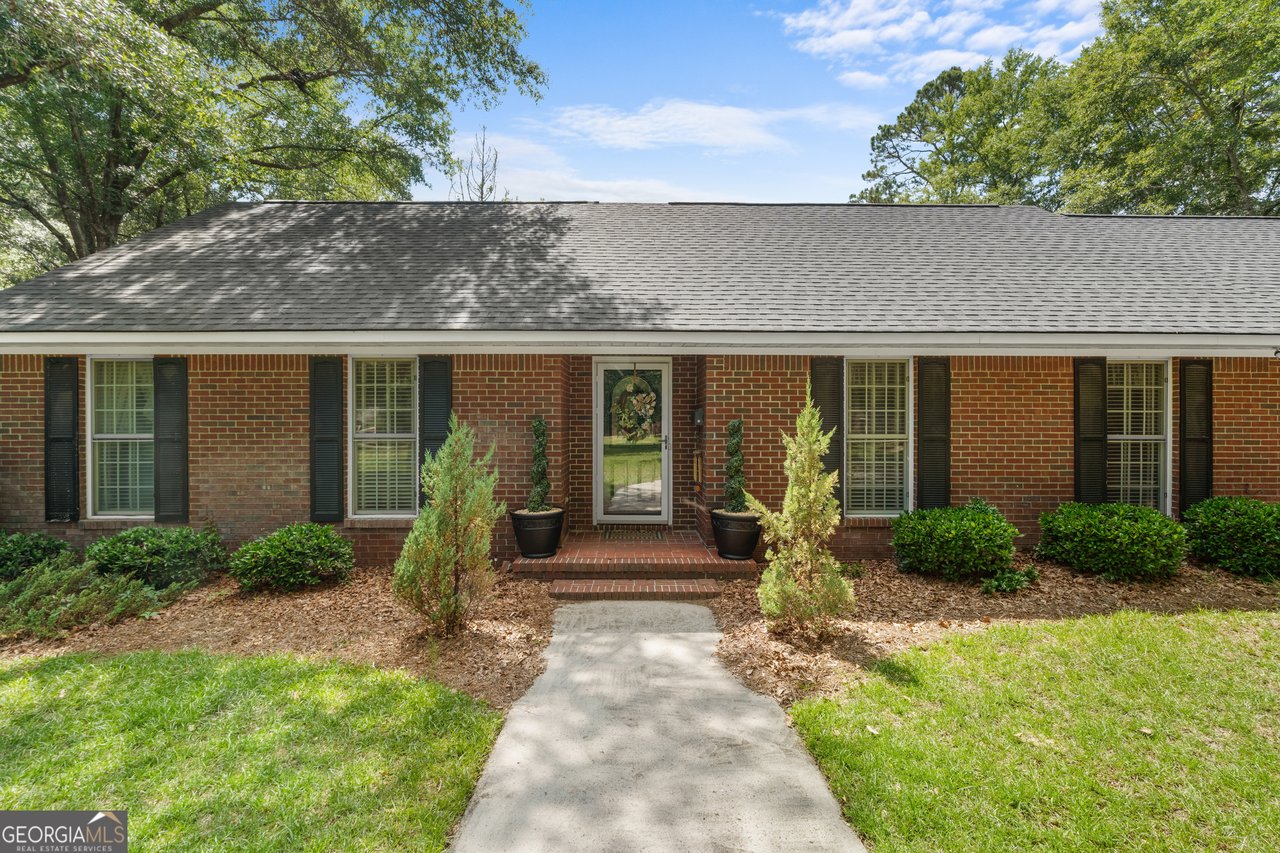
If you are thinking about selling your home in Millen, one of the biggest questions is simple: how long will this actually take? In a smaller market like Millen, the answer is usually not overnight, and that is okay. When you know what happens first, what can slow things down, and where local timing matters most, you can plan with a lot more confidence. Let’s walk through a realistic timeline for selling your home in Millen, Georgia.
What to Expect in Millen
Selling a home in Millen often takes more planning than it would in a larger metro area. Jenkins County is a smaller housing market, with a population of 8,836 as of July 2024 and an owner-occupied housing rate of 82.2%, according to the U.S. Census Bureau’s Jenkins County quick facts. That smaller market size can mean fewer buyers at any one time, so your timeline may depend heavily on pricing, condition, and presentation.
Recent market data points in the same direction. Redfin’s Millen housing market page reports homes spending about 63 days on market on average, while some homes move much faster. Taken together with Georgia’s typical contract-to-close window for existing homes, a practical planning range for many sellers is about 3 to 5 months from your first consultation to closing.
That is not a promise for every property, but it is a useful range if you are trying to line up your next move, manage repairs, or plan a move-out date.
Weeks 1 to 2: Start With Prep
The first stage is all about getting your home ready before it hits the market. This is where you meet with your agent, talk through pricing, evaluate your home’s condition, and decide what needs attention before listing.
The National Association of Realtors consumer guide to preparing to sell your home recommends starting with the basics: choosing the right agent, considering a pre-sale inspection, gathering repair records, and collecting manuals or warranties for items that will stay with the home. This step can help you avoid surprises later, especially once buyers begin inspections and due diligence.
Week 1: Consultation and Pricing
Your first week usually focuses on strategy. That includes reviewing recent local market conditions, discussing a pricing plan, and identifying anything that could affect buyer interest once your home goes live.
In Millen, pricing matters a great deal. Redfin reports a median sale price of $105,000 and notes that homes sell for about 7% below list price on average. That does not mean your home will follow that exact pattern, but it does show why realistic pricing is important in a market where buyers may have options and homes may take time to go pending.
Week 2: Repairs, Cleaning, and Staging
Once pricing is set, the next step is presentation. NAR recommends cleaning windows, carpets, walls, and lighting fixtures, reducing clutter, and improving curb appeal before photos and showings.
This is also when staging often comes into play. NAR defines staging as cleaning a home and temporarily furnishing or arranging it to help buyers picture themselves living there. In practical terms, this might mean simplifying rooms, removing extra items, freshening up outdoor spaces, and making sure your home looks bright, clean, and easy to understand online and in person.
Week 2 to Week 8: Launch and Market Exposure
After prep is done, your listing can go live. This stage includes photography, marketing, showings, buyer questions, and eventually offers. In a smaller community, every showing matters, so the goal is to make a strong first impression from day one.
NAR notes that presentation and photos are important because they help attract buyers early in the process. That is especially relevant in Millen, where there may not be a constant stream of new buyers every week. Strong listing preparation can help your home stand out when the right buyer is ready.
Your Home Hits the Market
Once listed, your home may start getting showing requests right away, or it may take a little time. According to Redfin’s Millen market data, homes are going pending in about 63 days on average, while hot homes may move in around 21 days.
That tells you two things. First, some homes do move quickly. Second, the typical seller should still plan for several weeks of exposure rather than assuming a same-week sale.
Showings and Feedback
During this stretch, you will likely be adjusting to showing schedules, keeping the home ready, and reviewing feedback from buyers. If interest is low in the first couple of weeks, your agent may revisit pricing, marketing, or how the home is being presented.
This is one of the biggest reasons sellers benefit from a clear plan from the start. In a market where the pace is moderate, small improvements to condition, photos, or pricing can make a meaningful difference.
Offers and Negotiation
Once an offer comes in, the timeline shifts from marketing to decision-making. You will review price, contingencies, closing timeline, and any terms that affect your move.
This stage can move quickly, but it is important not to focus on price alone. The timing of inspections, financing, requested repairs, and the proposed closing date all play a role in how smooth the rest of the sale will be.
After Acceptance: Due Diligence Matters
Once you accept an offer, the contract period begins. In Georgia, Georgia Realtors guidance on counting from the binding agreement date explains that deadlines are typically counted in calendar days unless the contract says otherwise, and most deadlines do not automatically extend because of weekends or holidays, except for closing.
That means this part of the timeline needs close attention. Inspection periods, repair negotiations, financing milestones, and document deadlines can come up fast after the agreement is binding.
Inspections and Repair Requests
This is often the point where deals get adjusted. NAR notes that buyers may conduct their own inspection as a contingency, and it also points out that a pre-sale inspection can help uncover issues before buyers do.
If a buyer finds concerns, they may ask for repairs, credits, or another round of negotiation. This does not always mean the deal is in trouble, but it does mean sellers should be prepared for back-and-forth during due diligence.
Paperwork and Coordination
The period after an accepted offer is where organization really counts. Deadlines need to be tracked, repairs may need to be scheduled, and communication between all parties needs to stay clear.
In a transaction with multiple moving parts, having support from a full-service local team can make a real difference. Coordinating marketing, negotiations, closing details, and title-related steps under one roof can help keep your sale on track from contract to closing.
Final 30 to 90 Days: Closing and Move-Out
In Georgia, existing-home closings are typically 30 to 90 days after contract, according to Georgia Consumer Protection guidance on closing. The exact timing depends on what your contract says, along with financing, inspections, repairs, and title work.
This final phase is about follow-through. You will want to make sure agreed repairs are completed, documents are returned on time, and your move-out plan matches the contract terms.
What Happens Before Closing
Before settlement, the buyer will usually complete a final walk-through. Georgia’s consumer guidance notes that the lender also provides a settlement statement shortly before closing.
This is the time to confirm that the property will be delivered as promised. If certain appliances or fixtures are staying, if repairs were agreed on, or if a move-out date was negotiated, those details should match the final agreement.
Closing Day
At closing, the documents are signed, prorated taxes and utilities are settled, and the buyer receives the keys after the paperwork is complete. While closing day is the finish line, most of the work that makes it successful happens in the weeks before.
That is why sellers should think of closing as the final step in a process, not a one-day event. Good preparation on the front end often creates a smoother finish on the back end.
What Can Speed Up or Slow Down a Sale
Every home and every transaction is different, but a few factors tend to have the biggest impact on timing in Millen.
Price
Homes in Millen do not always move at metro speed, so pricing close to market is important. Redfin’s local data showing about 63 days to pending and average sales below list price supports the idea that overpricing can cost valuable time.
Condition
Homes that feel clean, cared for, and ready for photos often make a stronger first impression. NAR’s guidance on cleaning, curb appeal, and staging shows why early prep can influence both buyer interest and the likelihood of smoother negotiations later.
Inspection Results
Even well-kept homes can run into inspection issues. A pre-sale inspection may help identify concerns early, which gives you more control over repairs before a buyer uses those issues as part of negotiations.
Contract Deadlines
Once you are under contract, timing becomes more exact. Because Georgia deadlines are often counted from the binding agreement date, missing even a small step can create stress or delay.
A Simple Millen Seller Timeline
If you want a quick planning snapshot, here is a practical way to think about the process:
- Weeks 1 to 2: Meet with your agent, set pricing, consider a pre-sale inspection, make repairs, clean, declutter, and prepare for photos.
- Weeks 2 to 8: Launch the listing, host showings, gather feedback, and negotiate offers.
- Next 30 to 90 days after contract: Complete inspections, handle repair requests, track deadlines, prepare for move-out, and close.
For many sellers in Millen, that adds up to roughly 3 to 5 months total from first conversation to closing table.
Selling your home is a big step, but it feels a lot more manageable when you know what is ahead. If you are getting ready to sell in Millen, working with a local team that knows the market, communicates clearly, and manages the details can help you move forward with confidence. When you are ready for guidance, pricing insight, and full-service support from listing to closing, connect with Brooke Black.
FAQs
How long does it usually take to sell a home in Millen, Georgia?
- A typical planning range is about 3 to 5 months from your first consultation to closing, based on local market pace and Georgia closing timelines.
What is the average time on market for homes in Millen?
- Redfin reports that homes in Millen go pending in about 63 days on average, although some homes may move faster.
When should I start preparing my Millen home for sale?
- You should ideally start 1 to 2 weeks before listing so you have time for pricing, repairs, cleaning, decluttering, staging, and photos.
What usually causes delays when selling a home in Millen?
- Common delays include unrealistic pricing, repair issues found during inspections, contract deadline challenges, and the normal pace of a smaller local market.
How long does closing take after accepting an offer in Georgia?
- Existing-home closings in Georgia are typically 30 to 90 days after contract, depending on the terms of the agreement and transaction details.