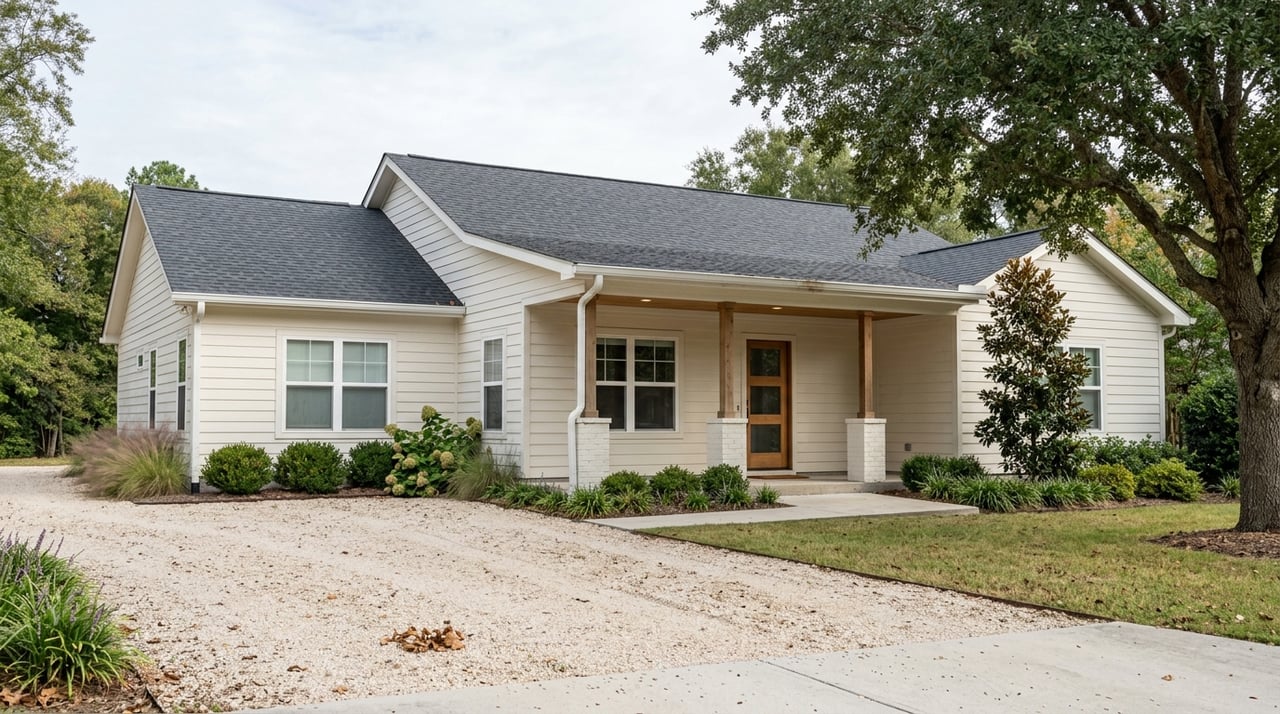
Trying to decide whether life in Millen fits you better inside town or outside city limits? That choice can shape everything from your utilities and commute to the feel of your property and the kind of upkeep you take on. If you are weighing a home in Millen or rural Jenkins County, it helps to understand the real local differences before you buy. Let’s dive in.
Millen Has Two Distinct Lifestyles
Millen and the surrounding county may share the same local identity, but they do not offer the same day-to-day experience. The City of Millen is a small incorporated city with about 2,966 residents, while Jenkins County has about 8,529 residents overall.
Planning documents show a clear split between the built-up town core and the rural county around it. Millen is the more developed mixed-use center, while the county outside town is mostly rural and agricultural.
One of the biggest practical differences is land use regulation. The City of Millen has zoning, while Jenkins County does not have county zoning.
That matters because in-town living usually feels more structured and compact. Outside city limits, properties often feel more open, private, and flexible, although buyers still need to check other rules and property-specific limits.
What Living In Town Usually Means
Living inside Millen often means being closer to the traditional town core. The city’s land use includes residential areas, downtown spaces, commercial corridors, and other developed uses that create a more concentrated setting.
You may also find a housing stock that feels older and more established. According to the Georgia Municipal Association city profile, 72% of structures in Millen were built before 1980, 20% were built from 1980 to 1999, and 8% were built since 2000.
That does not mean every home in town is historic. It does suggest that many in-town properties may sit on established streets and reflect Millen’s long history rather than newer large-lot subdivision patterns.
Millen also has documented historic resources in and around downtown. Main Street Millen notes that the Downtown Millen Historic District was listed on the National Register of Historic Places in 1996, and a compiled list identified 259 historic properties on streets throughout town.
In-Town Utilities And Services
One of the strongest reasons buyers choose town living is access to city utilities. The City of Millen operates water, wastewater, and natural gas service, and residents connect through City Hall.
That said, it is important to verify service on the exact parcel. Jenkins County states that the Millen public water service area covers 71% of the city, so a property with a city address does not automatically mean every utility setup will be the same.
Public safety is another factor many buyers think about. Within city limits, Millen’s fire protection, rescue, and hazardous-materials response operate with eight full-time firefighters, 23 volunteers, and an ISO Class 4 rating.
In-Town Transportation And Daily Feel
Even if you live in town, Millen is still largely car-oriented. Data shows that 80.3% of workers in Millen drove alone to work in 2024, and the average commute time was 23.3 minutes.
That lines up with the broader road network in Jenkins County. The county has more than 722 miles of roadways and connects to major routes through U.S. 25 and Georgia Highway 21.
For many buyers, in-town Millen offers a simpler balance of smaller-city convenience and small-town character. You may be looking at easier access to city-based services, a more traditional street layout, and homes in a more established setting.
What Living Outside City Limits Usually Means
Outside Millen, the landscape changes quickly. Jenkins County’s planning documents describe the unincorporated county as overwhelmingly rural, with about 96% of its 225,527 acres categorized as agriculture or forestry.
That rural setting is a major reason buyers look beyond town. If you want more privacy, more open surroundings, or property that feels less tightly grouped, outside-city living may be a better fit.
Infrastructure is one of the biggest differences. Jenkins County states that areas outside the city typically rely on wells and septic tanks, propane gas, and electricity from Planters EMC.
That can be a great match for buyers who want a more rural setup. It also means you should expect more due diligence before closing.
Rural Utilities Need More Verification
If you buy outside city limits, you will want to confirm how water and wastewater are handled right away. A well and septic system can work just fine, but you need clear information about installation, condition, and maintenance history.
The Georgia Department of Public Health says wells must be installed by a licensed water-well contractor, and the county health department must be notified before drilling. The state also recommends annual bacterial testing and periodic chemical screening for private wells.
Septic matters are just as important. The Georgia Department of Public Health states that septic systems are regulated through county environmental health offices, so buyers should verify septic approval and maintenance records before closing.
Rural Public Safety Works Differently
Public safety outside city limits is also structured differently. The Jenkins County Sheriff’s Department is the primary public-safety office serving outside the City of Millen.
For fire response, service is more distributed. Millen’s public-safety information says the city volunteer fire department responds alongside outlying volunteer departments on rural fires.
That does not mean rural service is absent. It does mean the setup is different from the in-town model and may be more dependent on a wider volunteer network.
Zoning Is Not The Whole Story
A lot of buyers hear that Jenkins County has no zoning and assume rural property comes with no limits. In reality, no county zoning does not mean no rules.
You still need to look at state requirements, utility access, septic suitability, floodplain concerns, driveway access, and any deed restrictions tied to the property. Those details can affect what you build, how you use the land, and what your costs may be.
This is especially important if you are buying acreage, a homesite, or an investment property. A parcel may look flexible on paper, but the practical use of the property still depends on what the land and infrastructure can support.
How To Decide Which Fit Is Better
The right choice depends on how you want to live and what kind of property you want to manage. In Millen, the decision is less about right or wrong and more about matching your daily life to the property’s setup.
Choose In Town If You Want
- Municipal water, wastewater, and natural gas service
- A more compact residential setting
- Established streets and older housing stock
- Closer connection to downtown and city-based services
- Fire protection based within city limits
Choose Outside City Limits If You Want
- More privacy and a more rural setting
- Property that may feel more open and less compact
- Greater likelihood of using well and septic systems
- A property type that may include acreage or agricultural surroundings
- Fewer county zoning layers, while still verifying other restrictions
Questions To Ask Before You Buy
Whether you choose in town or outside city limits, a few checks can save you time and stress later. These are especially important in a market like Millen, where city and county property setups can differ a lot from one parcel to the next.
Before you move forward, verify:
- Whether the property is inside Millen city limits
- Whether the parcel is inside the city water service area
- Whether sewer service is available or septic will be required
- Whether a private well already exists
- What the current tax treatment is for that parcel
Tax questions matter because Georgia allows municipalities to levy their own ad valorem tax. That means an in-town property and an out-of-town property can have different tax implications.
Why Local Guidance Matters In Millen
In a small market, the details behind an address matter just as much as the address itself. Two properties that seem close together can have very different utility setups, land-use considerations, and service patterns.
That is why local guidance can make such a difference, especially if you are comparing a home in town with land or acreage outside city limits. You want someone who can help you ask the right questions, verify the basics early, and keep the process moving clearly from contract to closing.
If you are trying to sort out whether town living or rural living makes more sense for your next move, Brooke Black can help you compare options in Millen and across Southeast Georgia with practical, local insight.
FAQs
What is the main difference between living in Millen town and outside city limits?
- The biggest difference is that Millen offers a more compact, regulated town setting with city services, while outside the city you are more likely to find a rural setting with wells, septic, and fewer county zoning layers.
Do all homes inside Millen have city utilities?
- No. Jenkins County states that the Millen public water service area covers 71% of the city, so you should verify utility service for the exact property.
What are utilities like outside Millen city limits?
- Outside city limits, properties typically rely on wells and septic tanks, propane gas, and electricity from Planters EMC.
Who provides public safety outside Millen city limits?
- The Jenkins County Sheriff’s Department primarily serves areas outside the city, and rural fire response comes through a volunteer-based network working alongside Millen’s department.
Is Jenkins County mostly rural outside Millen?
- Yes. Planning documents say about 96% of Jenkins County’s land area is categorized as agriculture or forestry, which helps explain the county’s rural character.
What should rural buyers in Jenkins County verify before closing?
- Rural buyers should confirm well and septic details, utility access, parcel boundaries, floodplain issues, driveway access, deed restrictions, and the property’s tax treatment before closing.