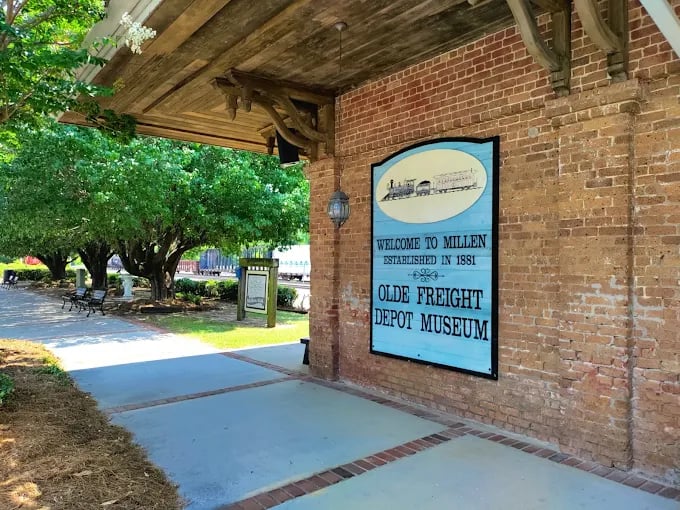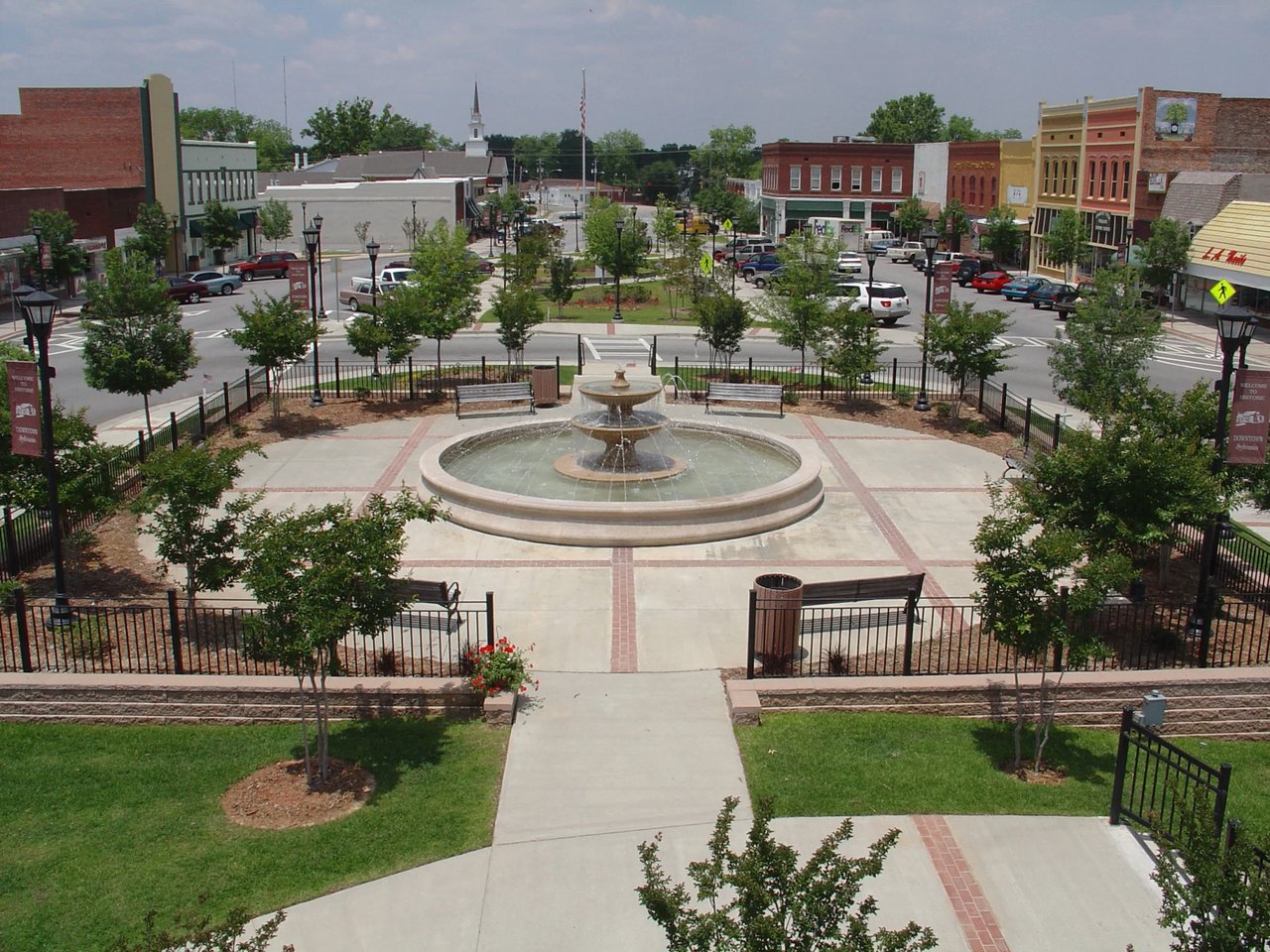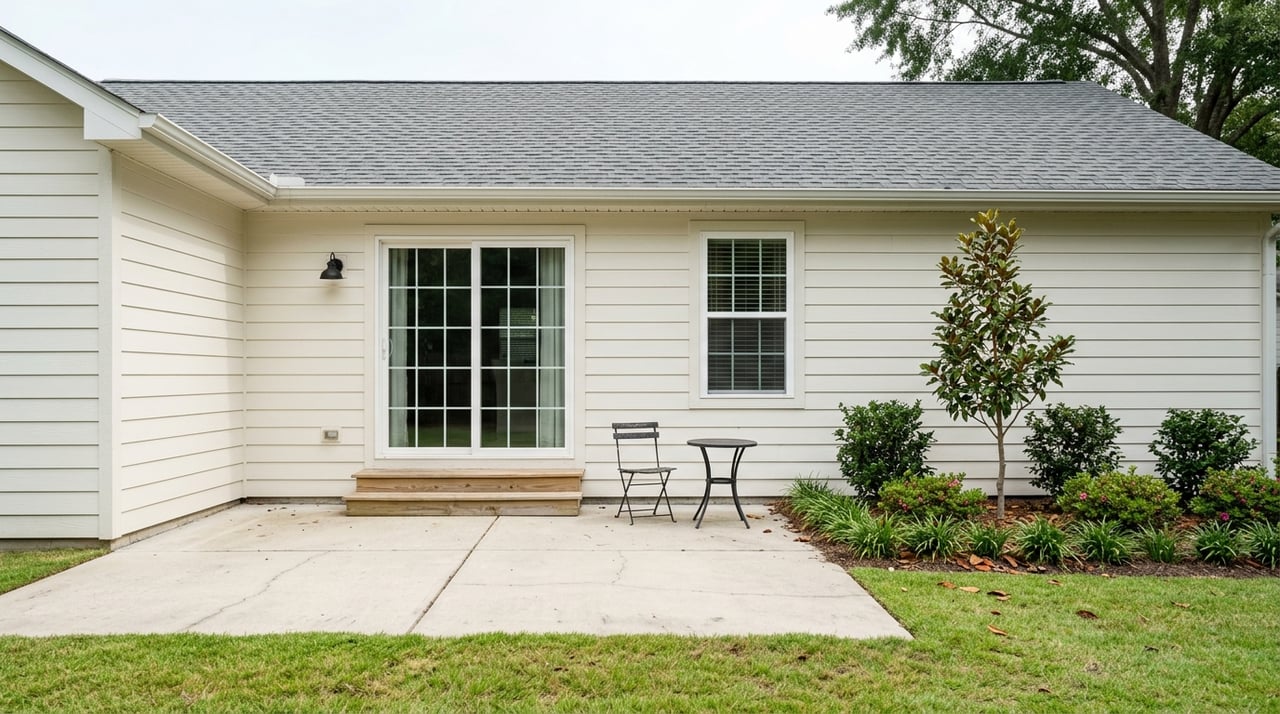
Looking at a single-family rental in Millen? In a small market like Jenkins County, the opportunity can be real, but so can the risk if you buy without a clear plan. If you want to understand what drives rental demand, what numbers to watch, and how to spot a practical investment, this guide will help you sort through the local picture. Let’s dive in.
Why Millen stands out
Millen sits in a small, steady market rather than a fast-moving one. Census QuickFacts reports 8,843 residents and 4,265 housing units in Jenkins County as of July 1, 2025, with an owner-occupied rate of 82.2%. County demographic pages show slightly different totals, estimating 8,529 county residents and 2,920 in Millen, but both sources point to a small market with limited turnover.
For you as an investor, that usually means fewer listings and a narrower rental pool at any given time. It can also mean less direct competition on available homes, but you may need more patience when sourcing the right property. In Millen, buying well often matters more than buying fast.
Focus on likely rental types
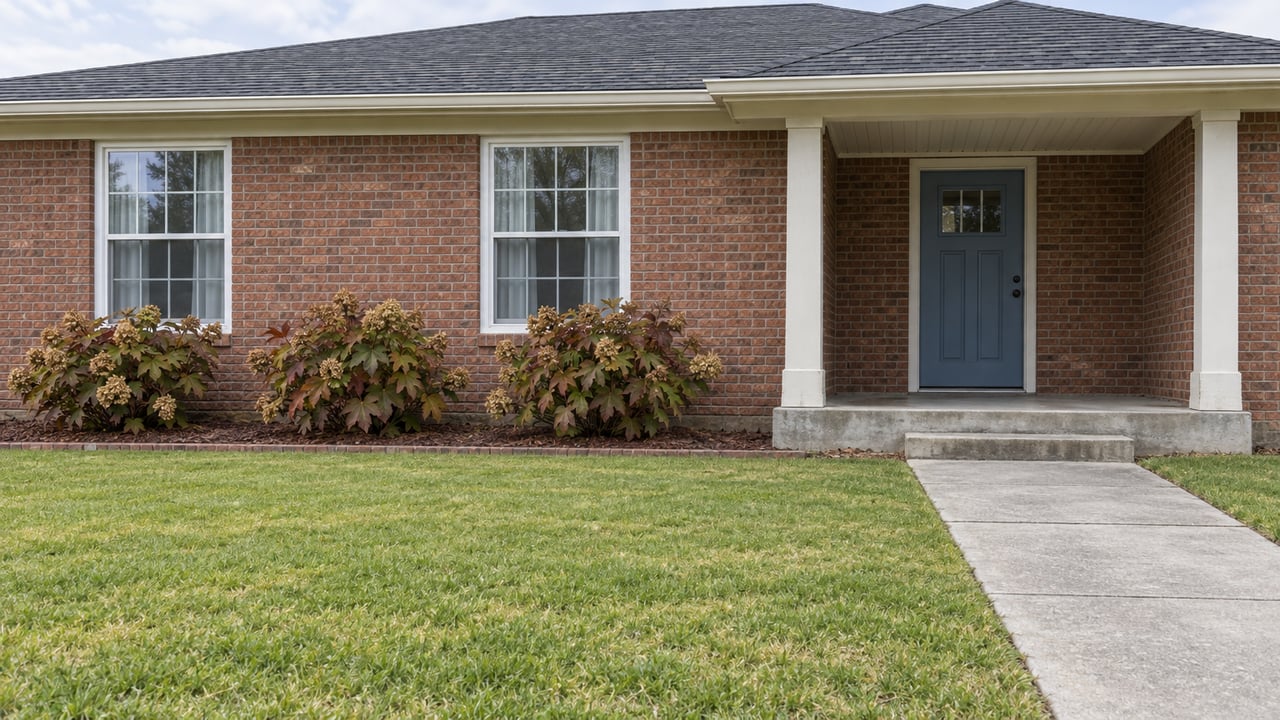
Millen’s housing stock is mostly detached homes. Jenkins County planning materials show that 73% of Millen housing units are single-family detached, while 21% are mobile homes. That makes the typical in-town house one of the clearest starting points for a single-family rental strategy.
The same county materials note that buyers can find starter homes for less than $150,000 and that many pre-owned homes in Millen are priced below $250,000. You may also find larger homes, mini-farms, acreage, and in-town lots. For most investors, though, a modest detached home on its own lot is usually the simplest property type to evaluate and operate.
Manufactured homes are part of the local market, but they should be analyzed separately. Their insurance, maintenance needs, and tenant profile can differ from a site-built house. If your goal is a straightforward first rental in Millen, a detached single-family home may be easier to underwrite.
Understand Millen rental demand
Millen’s rental demand is tied to everyday local needs, not hype. Official city and county information identifies the area economy with agriculture, agribusiness, and forestry, while also highlighting access through rail, U.S. 25, Georgia Highway 21, I-20, I-16, and I-95. That kind of access matters in a rural market where commute patterns and practical transportation options shape housing choices.
The county also notes that Jenkins County is less than an hour from metro Augusta’s workforce of more than 179,400 and about an hour from metro Savannah’s workforce of about 207,000. WorkSource CSRA operates a one-stop office in Millen, and Jenkins County Transit offers transportation within the county. These details help support a demand base that is practical and work-driven.
Industry information from the county points to public administration, healthcare and social services, transportation and utilities, retail, manufacturing, and hospitality as meaningful sectors. Jenkins County Schools also operates elementary, middle, and high school campuses. That mix suggests the local renter pool may include workers and households looking for functional, affordable homes rather than luxury features.
What rent numbers can tell you
Millen appears to have very thin active rental inventory. Third-party rental portals referenced in the research showed only two rentals each on major platforms, with average or median rents around $762 to $775 per month. The same sources showed single-family home rent near $763, two-bedroom rent around $855, and a three-bedroom apartment listed at $935.
There were also off-market rent estimates for three-bedroom, two-bath houses that landed roughly between $1,252 and $1,536. Those higher figures are better treated as an upper-end reference for updated homes or stronger locations, not as a baseline expectation. In a market this small, one or two listings can skew your impression quickly.
A practical underwriting range for many modest Millen single-family rentals is likely in the high-$700s to low-$1,000s. Homes with stronger finishes, larger lots, or better overall condition may push higher. The key is to treat these figures as working estimates and confirm the rent story property by property.
How to size up a rental deal
In Millen, conservative underwriting matters. Because listing inventory is thin and live rent data is limited, it helps to build your numbers around realistic income and solid reserves instead of best-case projections. A good-looking deal on paper can change quickly if the home needs more work than expected or if utility setup is more complex than it first appears.
Start by reviewing the home’s likely rent range, current condition, and location within Millen or the surrounding county. Then estimate recurring costs and set aside room for repairs and vacancy. In a smaller market, your margin for error may be tighter, so simple deals often perform better than complicated ones.
Key numbers to review
- Estimated monthly rent based on similar local offerings
- Purchase price and expected upfront repairs
- Property taxes
- Insurance costs
- Utility setup and transfer requirements
- Ongoing maintenance and capital reserves
- Vacancy and turn costs between tenants
Watch property taxes closely
Property taxes are one of the most important recurring expenses to check before you buy. The Georgia Department of Revenue says property is assessed at 40% of fair market value, local millage is set annually, property tax returns are generally filed from January 1 through April 1, and appeals usually must be filed within 45 days of the assessment notice.
For local context, the City of Millen published a 2024 net M&O millage rate of 5.800 mills. Jenkins County Schools adopted a 2025 millage rate of 12.9060 mills. The county portion should still be confirmed on a parcel-by-parcel basis with the local tax office before you finalize your numbers.
Check utilities during due diligence
Utility details can make a bigger difference in rural and small-town markets than many buyers expect. The City of Millen provides gas, sewer, and water service. Still, not every property will have the same setup, especially if you look beyond in-town homes.
Southland’s local guidance for rural buyers advises confirming utility access, septic status, and transfer requirements during due diligence. That is especially important in Jenkins County because detached homes on acreage and other nonstandard properties may have more variable infrastructure. Before you close, make sure you know exactly how the property is served and what that means for cost and maintenance.
Budget for repairs and reserves
Millen’s housing mix should shape your maintenance planning. A market with a high share of detached homes and older housing stock often comes with more hands-on upkeep. Even a well-priced property can become expensive if you underbudget for systems, surfaces, and turnover work.
The city also has a blighted-property ordinance that treats unsafe, abandoned, or code-violating structures as public nuisances. That is a useful reminder to inspect carefully and avoid letting deferred maintenance pile up. For many single-family rentals, your reserve planning should include roofs, HVAC, plumbing, paint, flooring, landscaping, and vacancy turns.
What a strong Millen rental may look like
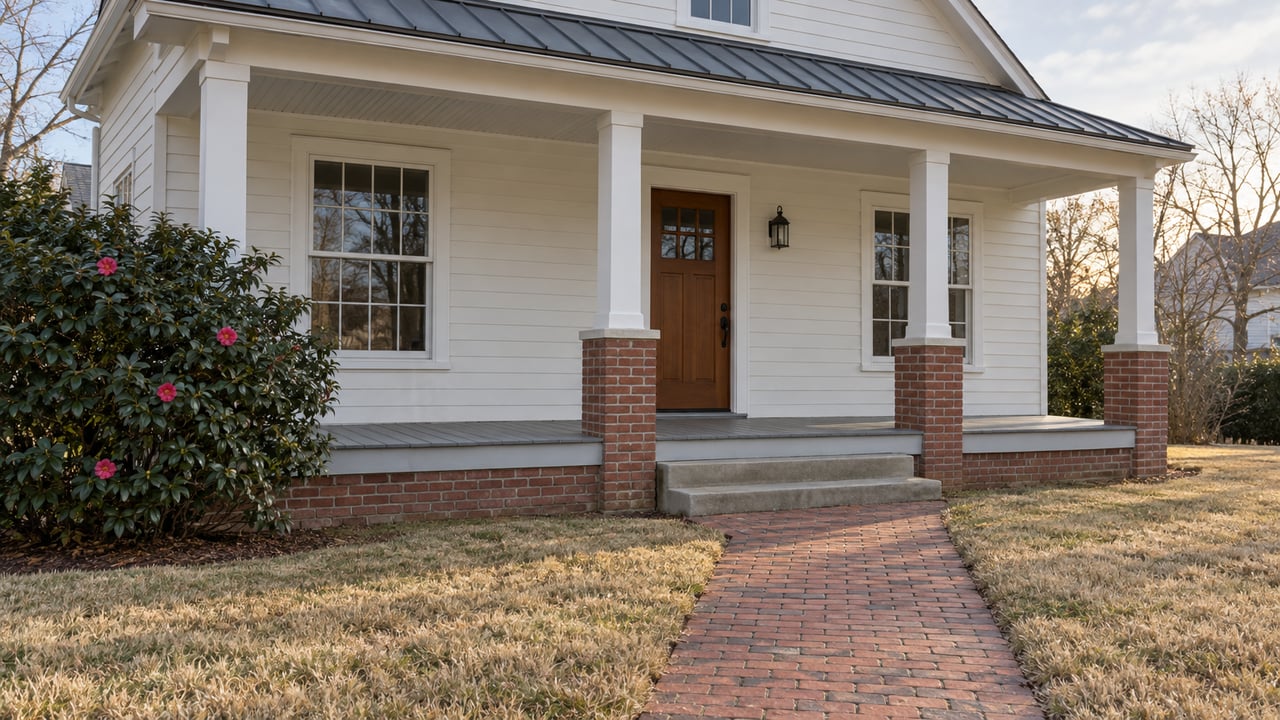
Many investors do best in Millen by keeping the target simple. A clean, modest detached home in town can be easier to rent, easier to service, and easier to understand than a more unusual property type. If the home has practical layout, solid condition, and verified utility access, it may fit the local demand picture better than a property with extra complexity.
That does not mean every older home is a bad option or every larger tract is a poor investment. It means the best rental candidate is often the one with the clearest path to stable occupancy and manageable expenses. In a small market, reliability can be just as valuable as upside.
Why local guidance matters
In a market like Millen, local knowledge can help you avoid costly assumptions. Southland Realty & Properties is based in downtown Millen, and the company describes a staffed team that includes brokerage leadership, associate brokers, office support, and a transaction coordinator and title abstractor. The firm also states that it helps with pricing, listing marketing, negotiations, closing coordination, and title and abstract work.
For an investor, that local support can be especially useful when you need help evaluating parcel-specific tax questions, utility issues, market pricing, and closing details. Small markets often reward buyers who have local context before they commit. When inventory is limited, good guidance can help you move with more confidence and fewer surprises.
If you are thinking about buying a single-family rental in Millen, it helps to work with a local team that understands how this market really moves. Reach out to Southland Realty & Properties to explore available properties and get practical guidance rooted in Millen experience.
FAQs
What rent should you expect for a single-family rental in Millen?
- A practical underwriting range for many modest Millen single-family rentals is in the high-$700s to low-$1,000s, with some updated or better-located homes potentially supporting more.
What property type is most common for rentals in Millen?
- Millen housing is dominated by detached single-family homes, so an in-town detached house is often the most straightforward rental type to evaluate.
What should you verify before buying a rental in Jenkins County?
- You should confirm likely rent, property taxes, utility access, sewer or septic status, transfer requirements, property condition, and expected repair reserves before closing.
What drives rental demand in Millen, Georgia?
- Demand appears tied to practical local and regional employment, including public administration, healthcare, transportation and utilities, retail, manufacturing, hospitality, and agriculture-related work.
Why is local real estate help important when buying in Millen?
- In a small market with thin inventory, local guidance can help you understand pricing, rentability, taxes, utilities, and closing details on a property-by-property basis.