Saturday, September 5, was Georgia's dove opener, and if you drove out toward the Burke County line before sunrise that morning, you'd have seen trucks parked along the fence at Di-Lane Plantation Wildlife Management Area with nowhere to go. The gate was open. The field was ready. The doves were there. What a lot of those trucks didn't have was a name on a list, and at Di-Lane, that list is the whole ballgame.
This is the part of the fall calendar that never makes it into the generic "hunting season is here" posts. Everybody knows the dates. Almost nobody explains that one of the most popular pieces of public ground near Millen doesn't run on the same rules as the rest of the state.
Two seasons running at once
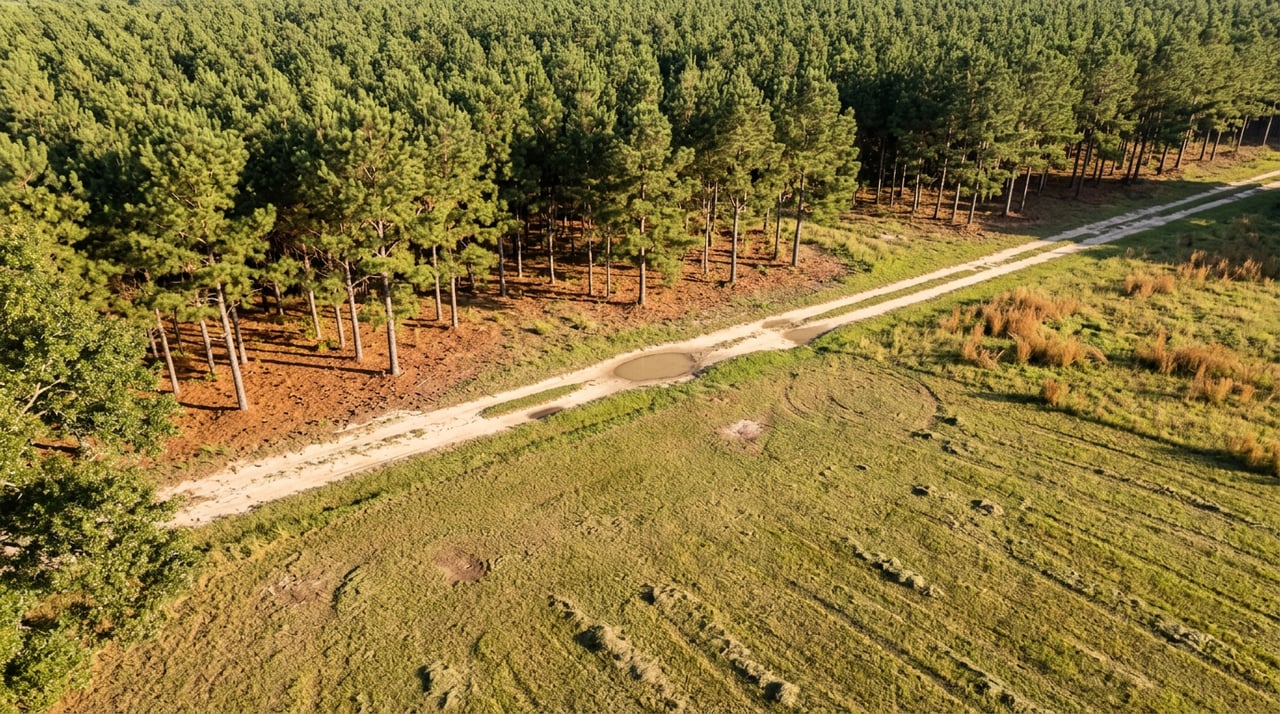
Georgia's general dove season is open to any licensed hunter on private land or unclaimed public ground, no application required. But Di-Lane is different. Its 130-acre dove field was one of Georgia's official Opening Day quota hunts this year, part of a slate of 18 such hunts the Department of Natural Resources ran across 17 wildlife management areas, public fishing areas, and voluntary public access tracts statewide. Di-Lane, along with the Perry Dove Field and Clybel WMA, consistently draws more applicants than almost anywhere else in the state, which makes it one of the hardest quota dove hunts to actually get drawn for.
That's the piece a lot of folks miss. The season opening and the field being open to walk-up hunters are two separate facts, and at Di-Lane they don't line up. If you didn't submit a quota application months in advance, September 5 wasn't your day there, no matter how early you got in line.
What's actually left on the calendar
The dove opener wasn't the only date this fall, and it isn't the last one either. Here's the full run for 2026-27:
Season | Stage | 2026-27 Dates |
|---|---|---|
Dove | Opening weekend | Sept. 5 |
Dove | Segment two | Nov. 21-29 |
Dove | Segment three | Dec. 19-Jan. 31 |
Deer | Archery | Opens Sept. 12 |
Deer | Primitive weapons | Opens Oct. 10 |
Deer | Firearms | Opens Oct. 17 |
Archery opens this Saturday, September 12, and unlike the Di-Lane dove hunt, deer season on private land doesn't run through a quota system for most hunters. The catch there is different. Georgia manages deer through a color-coded county zone map, and the exact either-sex windows and antler restrictions shift depending on which zone your land falls in, so a date that's correct for one county over can be wrong for the next one. The statewide bag limit is capped at 12 deer per hunter per season, with no more than 10 antlerless and 2 antlered, and at least one antlered buck typically needs four points on a side or a 15-inch spread to count in counties with antler restrictions.
The gate with the iron dogs
If you've never been out to Di-Lane, the entrance alone tells you this isn't an ordinary tract of state land. Brick pillars topped with iron bird dog statues flank the drive, a nod to what the property used to be. Back in the 1950s, a New York businessman named Henry Berol bought up a stretch of plantations and farmland in southwestern Burke County and built it into a private bird dog training ground, running field trials there for decades. The place eventually passed out of his hands, went through a stretch of agricultural and timber use, and was later picked up by the U.S. Army Corps of Engineers as a wetland mitigation site tied to Lake Richard B. Russell over in Elbert County. From there it landed in a long-term management agreement with Georgia's Wildlife Resources Division, and that's the arrangement still standing today.
The bird dog history didn't disappear when the ownership changed. Di-Lane still hosts the Georgia Field Trial Association's annual competition, and it's part of why nearby Waynesboro carries the "Bird Dog Capital" title. Quail management is still the core mission on the property's 8,100 acres, about 5,100 of which are actively managed habitat and the rest low-lying wetland. A Wildlife Resources Division technician runs a rotation of prescribed burns, disking, and herbicide treatment year-round to keep the understory in the kind of shape bobwhite quail need, which is also exactly the kind of habitat that makes the dove field so productive every September.
The quail hunting itself runs on its own separate quota, tighter than the dove draw. Only eight parties are allowed in on 10 specific days spread across December and February, a detail that surprises people who assume a public WMA means open access whenever the gate's unlocked.
If you're planning around next year's draw
None of this is exclusive to Di-Lane. Georgia runs quota hunts on dozens of properties statewide, and the application window for most of them opens electronically on June 1 each year, months before the season most people are thinking about it. If this year's opener taught you anything, it's that the application deadline matters more than the season opener does, at least for the ground everybody wants.
A few other things worth carrying into the rest of this fall's calendar:
- Every deer harvested in Georgia has to be reported through Game Check within 24 hours, whether you're hunting private land or a WMA.
- Carcass movement rules have gotten stricter since chronic wasting disease was first confirmed in the state in January 2025, so check the current guidance before you haul a deer across county lines.
- Dove hunters can keep up to 15 birds a day with a 45-bird possession limit, and that count resets with each new segment on the calendar above.
Why any of this is worth tracking
The fall hunting calendar around Millen isn't a single date circled on the wall, and it never really was. It's a stack of separate systems layered on top of each other: a general season anyone with a license can hunt, a quota system that decides who actually gets on the best public ground, and a habitat management program running quietly in the background that's kept a 1950s bird dog plantation productive enough to still be one of the state's most competitive dove draws seventy years later. Knowing which system governs the spot you actually want to hunt is the difference between a good morning and a wasted trip to a locked gate.
That's the kind of local detail that doesn't show up on a season-dates flyer, and it's the same instinct we bring to reading the land itself, whether that's a family's home place, a stand of timber, or a field that's been worked the same way for generations. If you're weighing what a piece of Jenkins County or Screven County ground is actually worth, or just want someone who knows this corner of the state well enough to talk through it honestly, Southland Realty & Properties, LLC is right here in downtown Millen and glad to help you think it through.